

UK STANDARD DELIVERY | LIGHTWEIGHT ONLY £1.95 | FLAT RATE £2.95 | NEXT DAY DELIVERY FROM £7.99 - 1.30PM DEADLINE | NO WEEKEND DELIVERY
UK STANDARD DELIVERY | LIGHTWEIGHT ONLY £1.95 | FLAT RATE £2.95 | NEXT DAY DELIVERY FROM £7.99 - 1.30PM DEADLINE | NO WEEKEND DELIVERY
TAKE 5% OFF YOUR ORDER BY SUBSCRIBING TO OUR NEWSLETTER
Haberdashery
 from
£0.15
from
£0.15
Add colour and vitality to your wardrobe with the various colours available.
TAKE 5% OFF YOUR ORDER BY SUBSCRIBING TO OUR NEWSLETTER
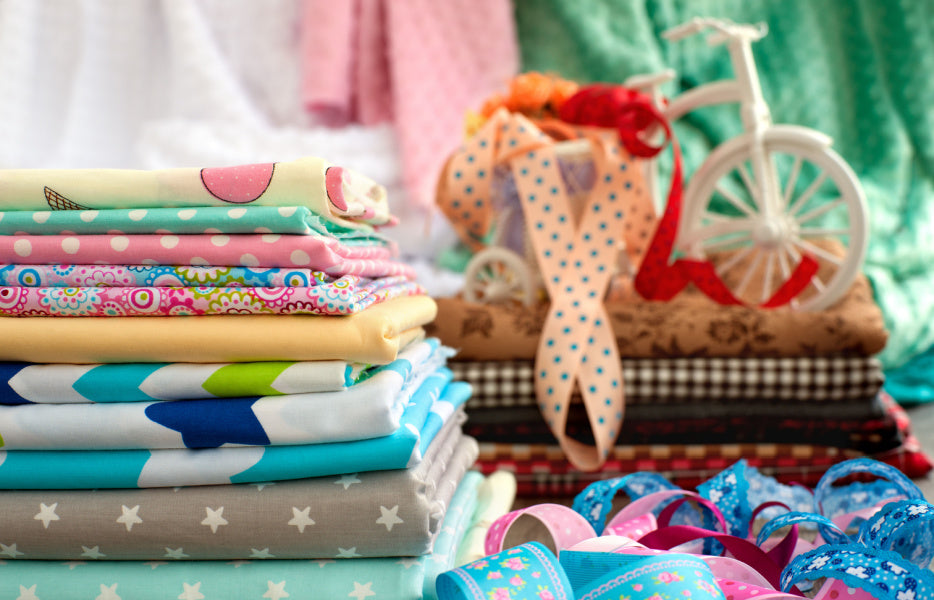
Stripes,spots,hearts & stars
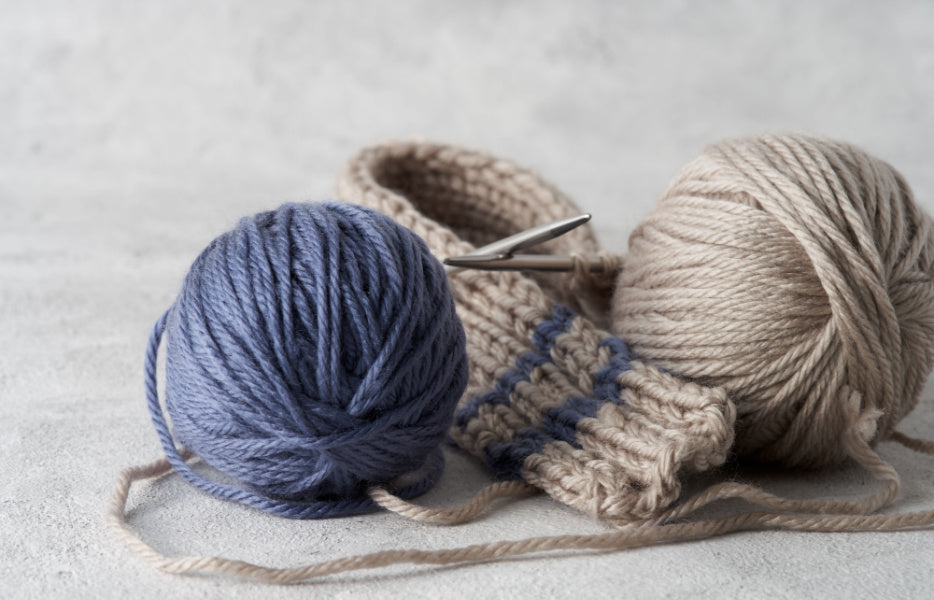
Knitting & Crochet
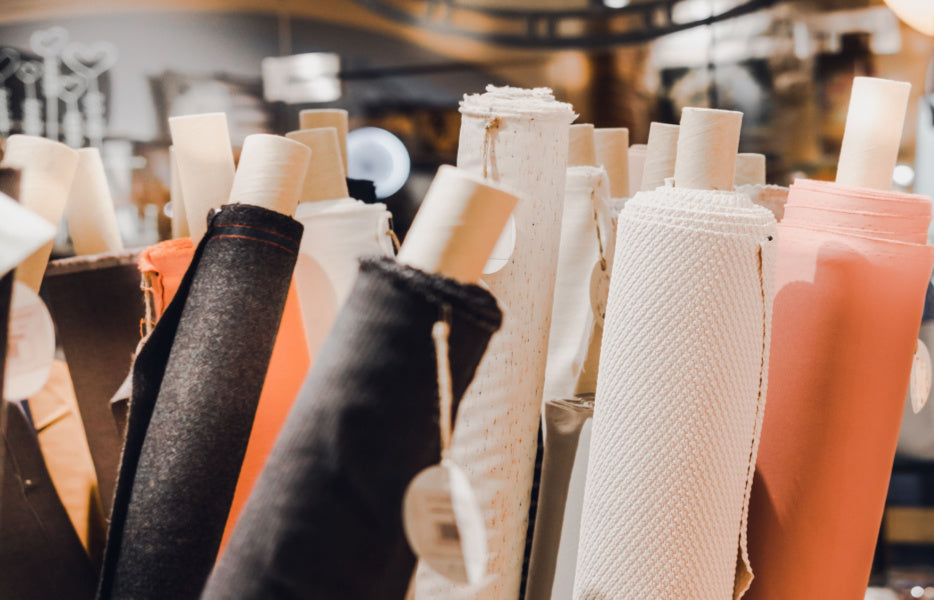
plain basic fabrics

Event drapery Fabric
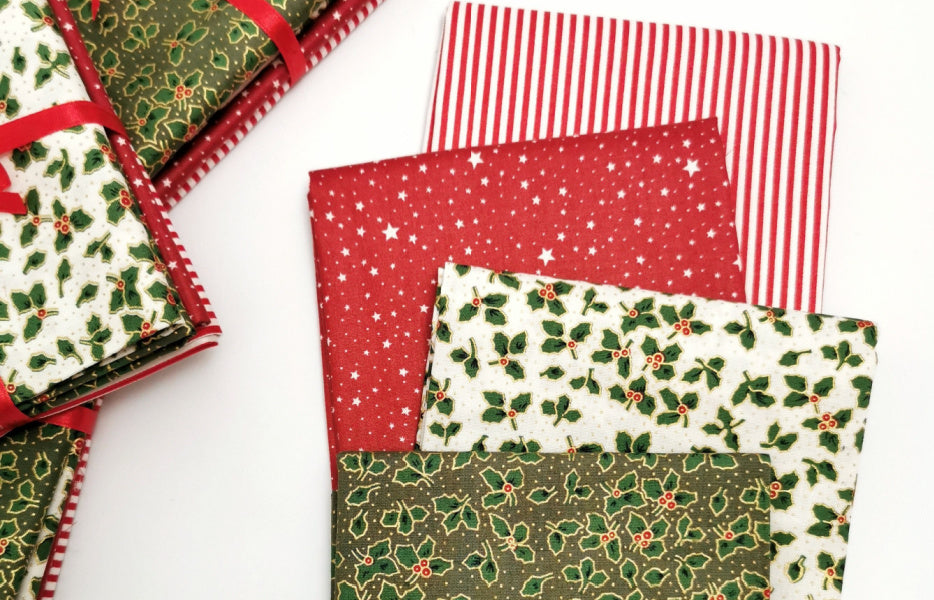
Christmas Fabrics

kids corner Crafts
TAKE 5% OFF YOUR ORDER BY SUBSCRIBING TO OUR NEWSLETTER
Explore our range of dress lining fabrics, designed to improve the comfort, structure, and finish of your garments. Whether you’re working on dresses, skirts, or tailored pieces, this collection offers high-quality dress lining fabric suitable for a wide range of sewing projects. For more general applications, you can also browse our wider lining fabric collection for multi-purpose use across garments and crafts.
Our dress lining fabric range includes a variety of lightweight and breathable options, making it easy to find the right fabric for lining different styles of clothing. If you’re exploring alternatives, you may also want to browse our cotton dress fabric, viscose dress fabric, and satin dress fabric collections, which can also be used in certain lining applications.
All of our dress lining fabric is available by the metre, giving you the flexibility to order exactly what you need.
Dress lining fabric plays an important role in garment construction, helping improve both comfort and appearance. A well-chosen lining can make clothing easier to wear while also enhancing the overall finish.
Key benefits of dress lining fabric include:
Creates a smooth inner layer against the skin
Improves garment structure and shape
Reduces transparency in lightweight fabrics
Helps garments sit better and move more easily
Using the right fabric for lining can make a noticeable difference to the quality and longevity of your finished piece.
Our collection includes a range of dress lining fabric options to suit different garments and requirements:
Lightweight Lining Fabric – Ideal for dresses and skirts where breathability and comfort are important
Satin Lining Fabric – Smooth and soft, perfect for adding a more luxurious finish to garments
Anti-Static Lining Fabric – Helps reduce cling, making it suitable for dresses and fitted garments
Polyester Lining Fabric – Durable and easy to care for, ideal for everyday use
Each type of dress lining fabric offers different benefits, so choosing the right option will depend on your project.
At Cheap Fabrics, we offer a wide range of dress lining fabric at competitive prices, with options to suit a variety of budgets while maintaining reliable quality.
Our collection includes a variety of colours, finishes, and fabric types, giving you flexibility across different garment styles. All fabrics are sold by the metre, allowing you to order exactly what you need for your project.
With consistent quality, a wide selection, and fast UK delivery, we make it easy to source dress lining fabric for sewing projects of all sizes.
Here is the full competitor research summary followed by 7 condensed, gap-filling FAQs written in a fresh voice with no em dashes.
Lining fabric is sewn inside a garment to create a clean, finished interior. It covers raw seams and construction details so the inside looks as neat as the outside, and it sits against the skin in place of the outer fabric. A good lining also helps a garment hold its shape, improves how it drapes, protects the outer fabric from oils and perspiration, and stops lightweight fabrics from being see-through.
Not necessarily. Lining is most useful for sheer or lightweight fabrics such as chiffon or lace, where it prevents transparency. It also makes a big difference with materials that can feel rough or scratchy against the skin, such as brocade or heavily textured fabrics. For a casual dress made from an opaque, comfortable fabric, you may not need one at all. If your sewing pattern calls for a lining, it is worth following that guidance as it will usually affect the intended fit and finish.
Anti-static lining is treated or constructed to prevent static electricity building up between the lining and the outer garment. Without it, polyester and synthetic outer fabrics can cling to tights or legs, particularly in dry conditions. Anti-static lining is one of the most practical everyday choices, as it keeps garments sitting smoothly and moving freely when worn.
The main options you will find are polyester lining (practical, affordable, and available in the widest colour range), viscose lining (softer and more breathable, with a natural feel that works well for warmer weather), satin lining (a polyester-backed option with a smooth, silky face, popular for formal and bridal work), and cotton lining (the most breathable choice, well-suited to cotton outer fabrics and summer garments). Cupro and silk linings are at the premium end, valued for their lightweight, skin-friendly qualities.
Lining should ideally be lighter than the outer fabric, or at most similar in weight. If the lining is heavier, it will weigh down the garment and interfere with how the outer fabric drapes and moves. Lightweight lining fabrics let the outer fabric behave as the designer or pattern intends, without adding unnecessary bulk or stiffness.
It is good practice to pre-wash lining fabric, particularly if it contains natural fibres such as cotton or viscose, which can shrink after washing. If your lining shrinks at a different rate to the outer fabric once the garment is finished, you can end up with puckering or a poor fit. A cool machine wash before you cut will bring the fabric to its stable, post-wash size and prevent problems later.
The most practical choice is a lining that closely matches the outer fabric colour, so it stays invisible even if it shifts slightly at the neckline or hem. Neutral shades such as ivory, nude, or black are safe all-purpose options that work across a wide range of garment colours. Some makers deliberately choose a contrasting lining as a design feature, adding a flash of colour that is only visible on the inside.
By clicking “Accept All Cookies”, you agree to the storing of cookies on your device to enhance site navigation, analyze site usage, and assist in our marketing efforts.


